CoQ10 & Cellular Energy, Explained Simply
Coenzyme Q10 shows up in everything from heart-health supplements to energy formulas, and its actual role is more specific than the marketing usually explains.
Here's what CoQ10 does at the cellular level, and a real interaction risk worth knowing.
What CoQ10 actually is
Coenzyme Q10 is a compound your body produces naturally and uses inside mitochondria — the structures inside cells responsible for converting nutrients into usable energy. It's not a stimulant; it's a component of the energy-production machinery itself.
Why supplementation is discussed
CoQ10 levels naturally decline with age, and certain medications (notably statins) can lower levels further. This has led to research interest in supplementation, particularly in cardiovascular contexts and, to a lesser extent, some neurological research areas.
The realistic effect size
Where research does show benefit, it's generally modest and specific to certain populations (like those with a genuine deficiency or a related health condition) — not a universal energy boost for anyone who takes it.
The interaction worth knowing
CoQ10 has a well-documented interaction with warfarin and other blood-thinning medications, potentially reducing their effectiveness. This is genuinely important, not a minor footnote — anyone on blood thinners should talk to a doctor before adding CoQ10 to their routine.
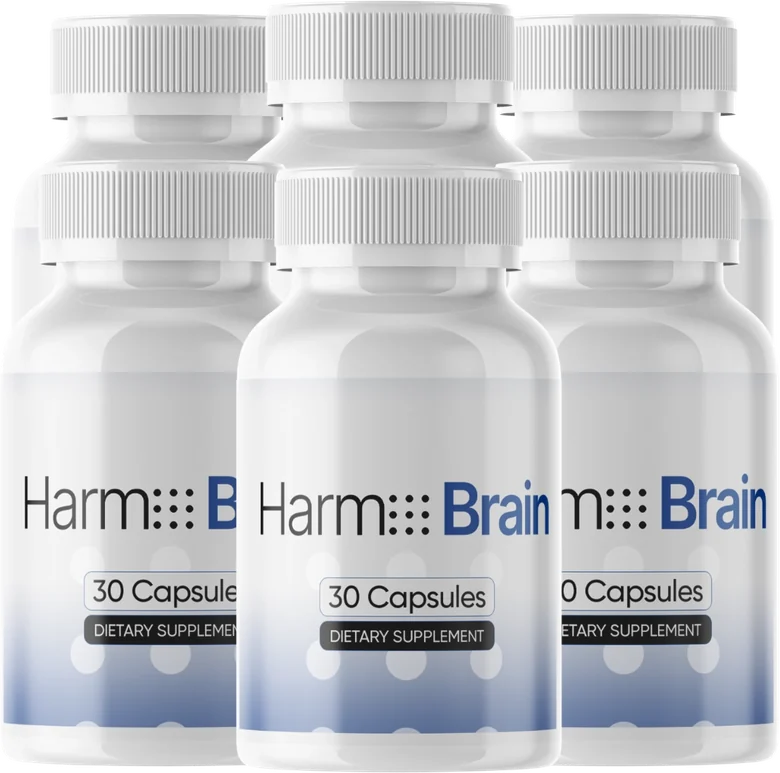
How this applies to Harmo Brain
CoQ10 is one of the six named ingredients in the energy-and-circulation version of Harmo Brain. Its inclusion is reasonable for the product's stated energy-support positioning — just remember the interaction flag if you're on relevant medication.